AI learns to act. What happens next?
Dispatches from the frontier where AI stops predicting and starts acting — grounded in seismology, research, and real data.
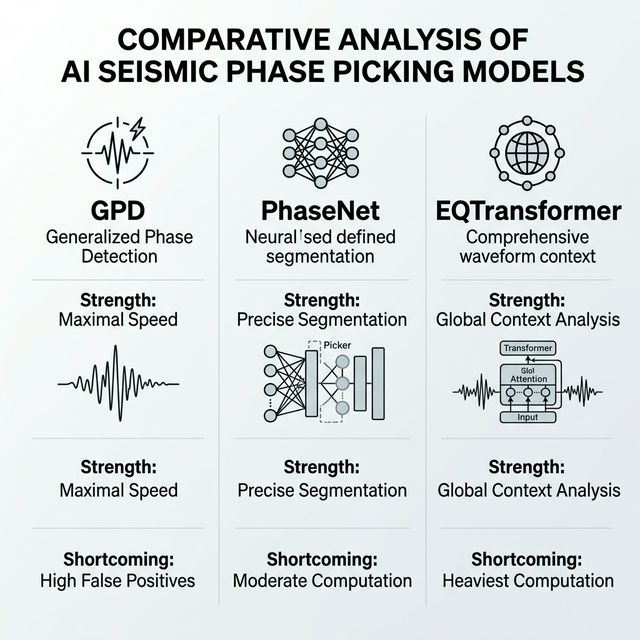
The False Positive Trade-Off: GPD vs. PhaseNet and EQTransformer
GPD is incredibly fast but fundamentally prone to over-picking. Learn why its 4-second classification windows and vector labels lead to overwhelming false positives compared to PhaseNet and EQTransformer.
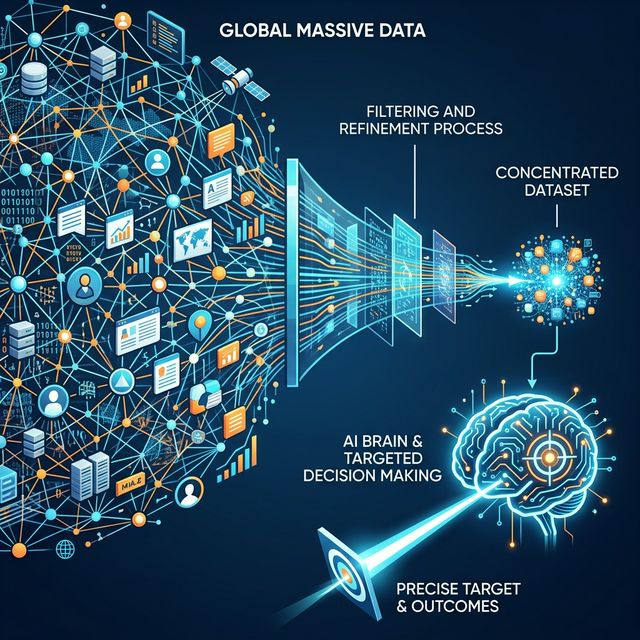
The Disproportionate Power of Small, High-Value Datasets in Seismic AI
Off-the-shelf deep learning models often struggle with local noise. Discover why curating a small, high-value dataset of just a few thousand traces is the secret to unlocking massive performance gains in regional seismic networks.
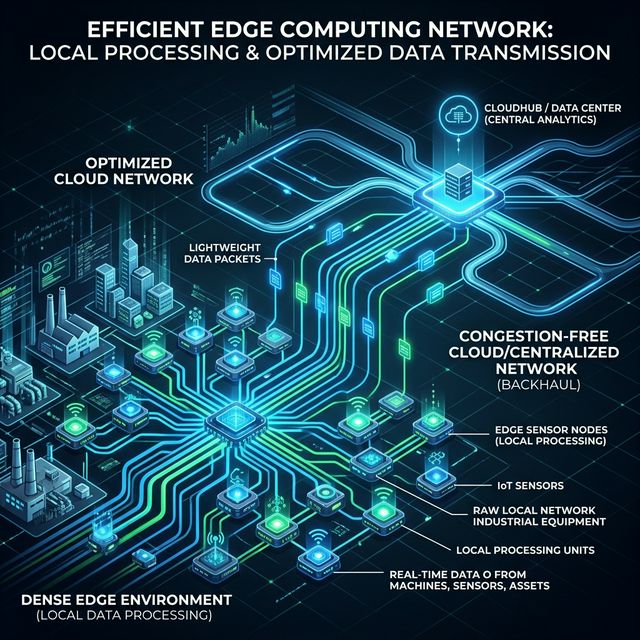
Solving Network Congestion in Dense Sensor Arrays: The Edge Computing Paradigm
When thousands of sensors stream data simultaneously, networks choke and data queues up. Edge computing solves this by processing data locally and transmitting only lightweight insights, fundamentally changing large N array architecture.
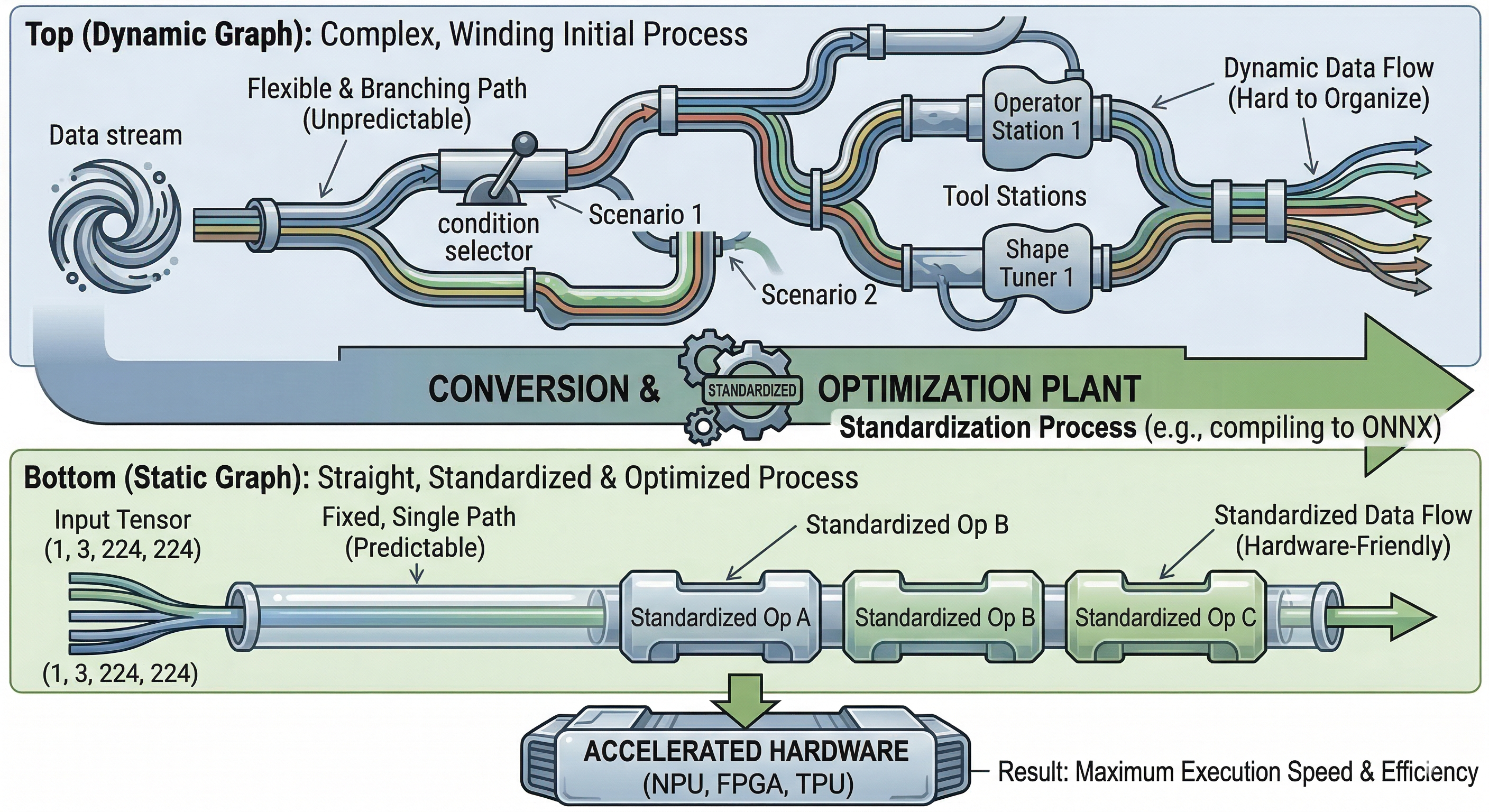
Why ONNX Inference Outperforms PyTorch in Production
When building AI products, inference speed is critical. Switching from PyTorch's native format to ONNX can lead to drastic performance gains out of the box.
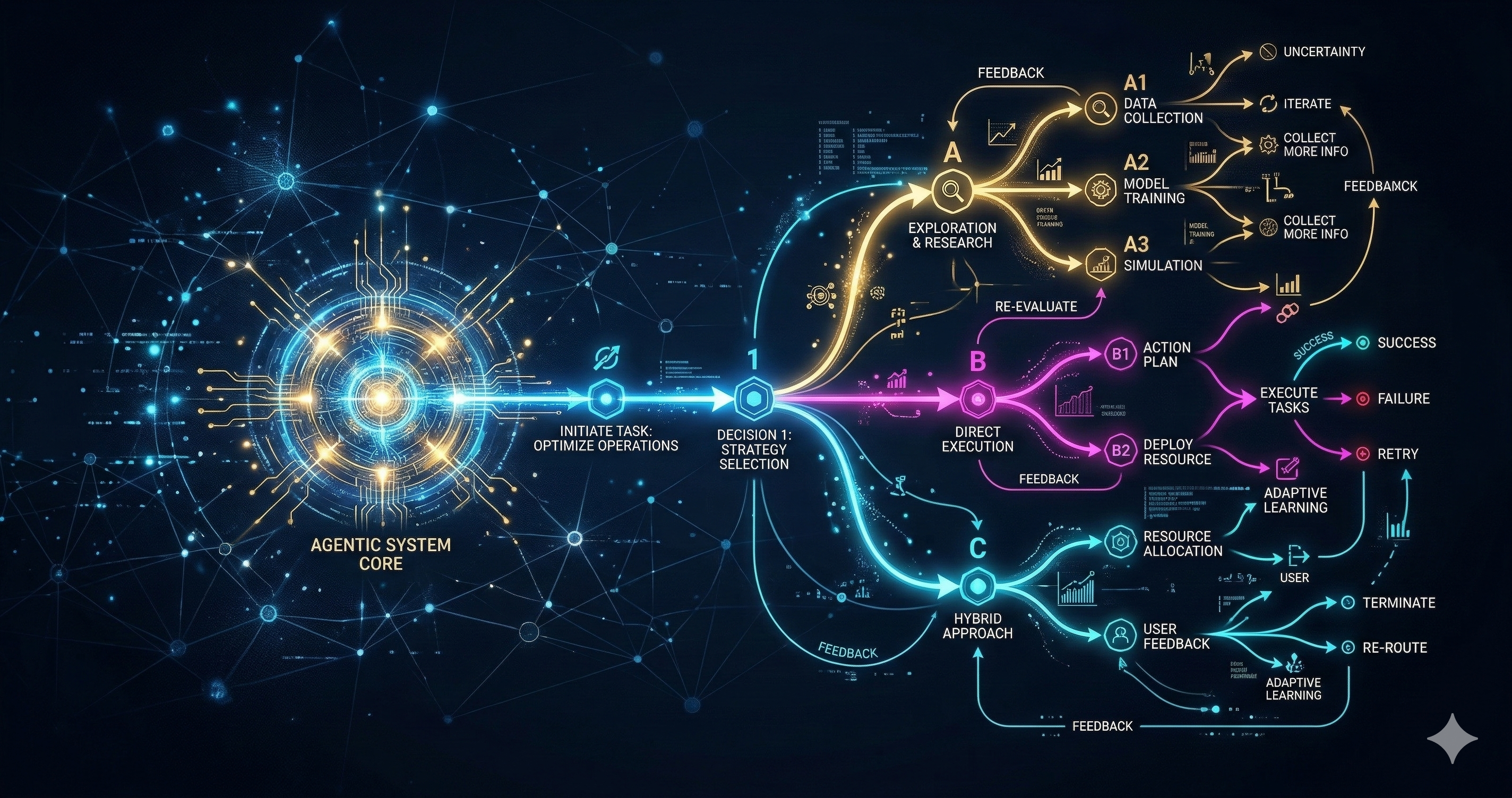
The Rise of Agentic AI: When Models Learn to Act
We've spent years teaching machines to predict the next token. Now we're teaching them to take the next step. Agentic AI is not just a capability upgrade — it's a philosophical shift.
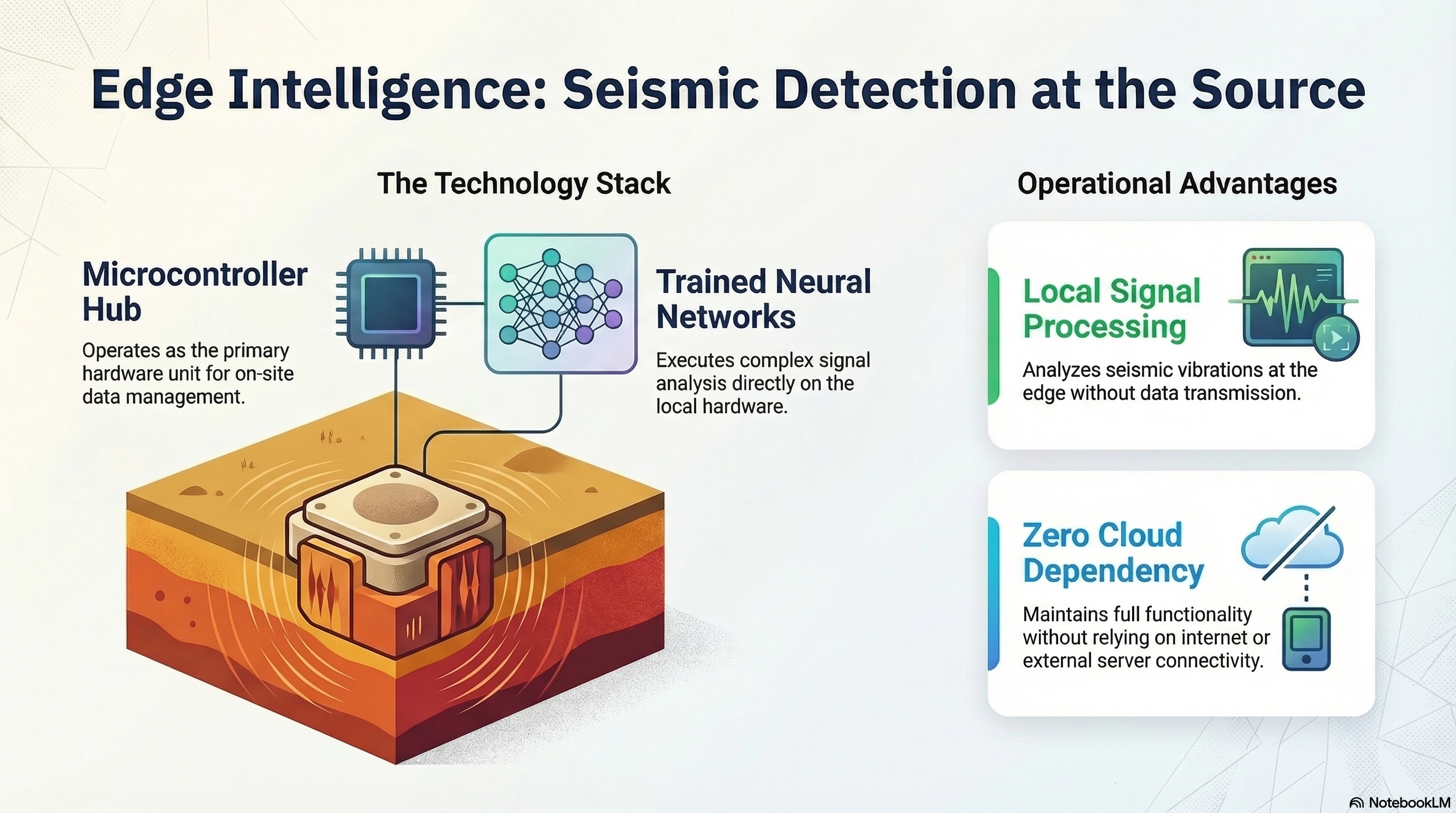
TinyML on Edge Devices: Bringing AI to the Physical World
Zero latency. Ultra-low power. Real inference at the sensor level. TinyML inverts the cloud-first AI paradigm — and the implications for seismic monitoring are profound.
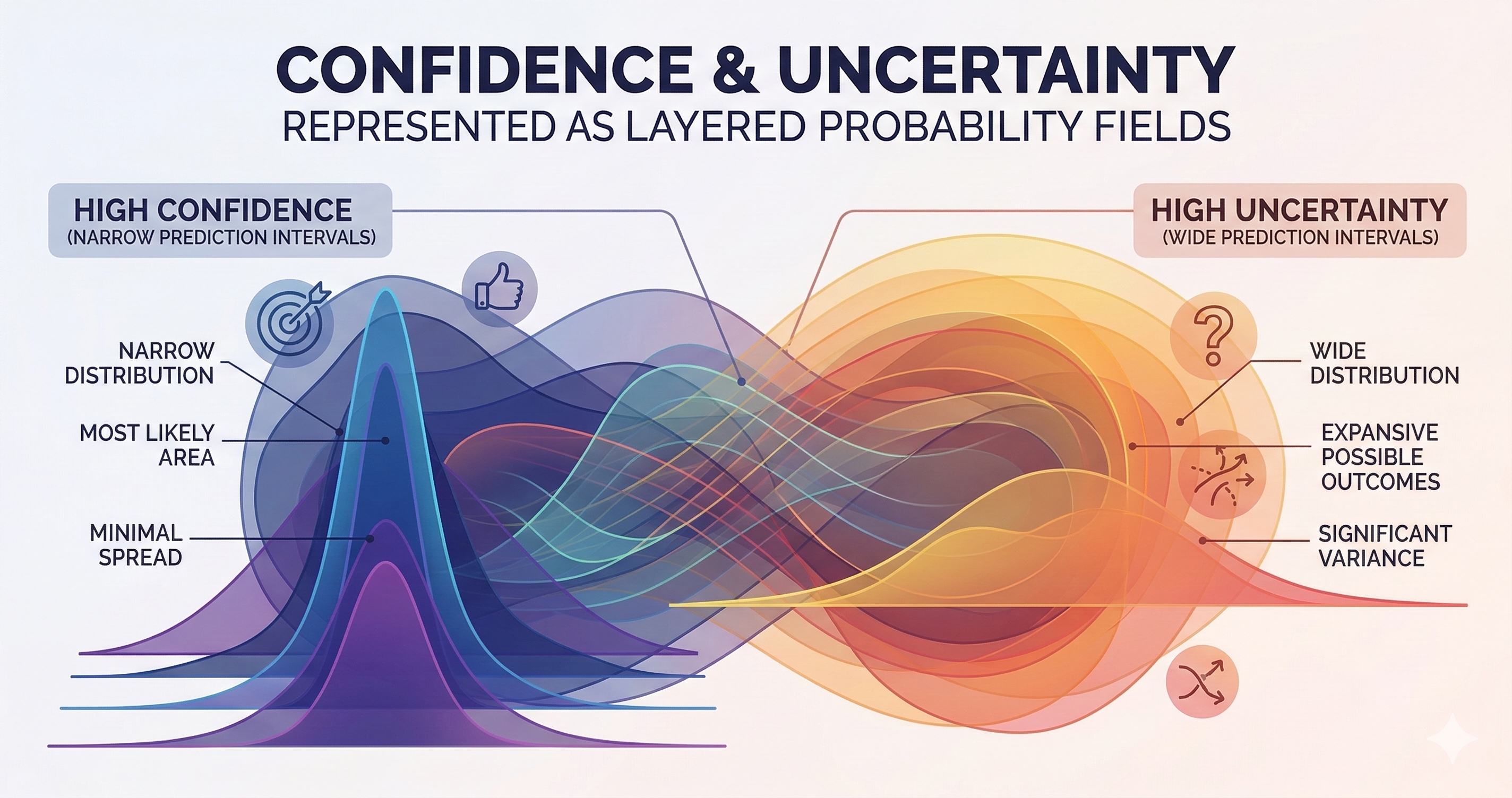
Reasoning Under Uncertainty: How LLMs Handle What They Don't Know
The gap between confidence and calibration is where hallucinations live. This essay explores how modern language models express uncertainty — and how we can improve that behavior.
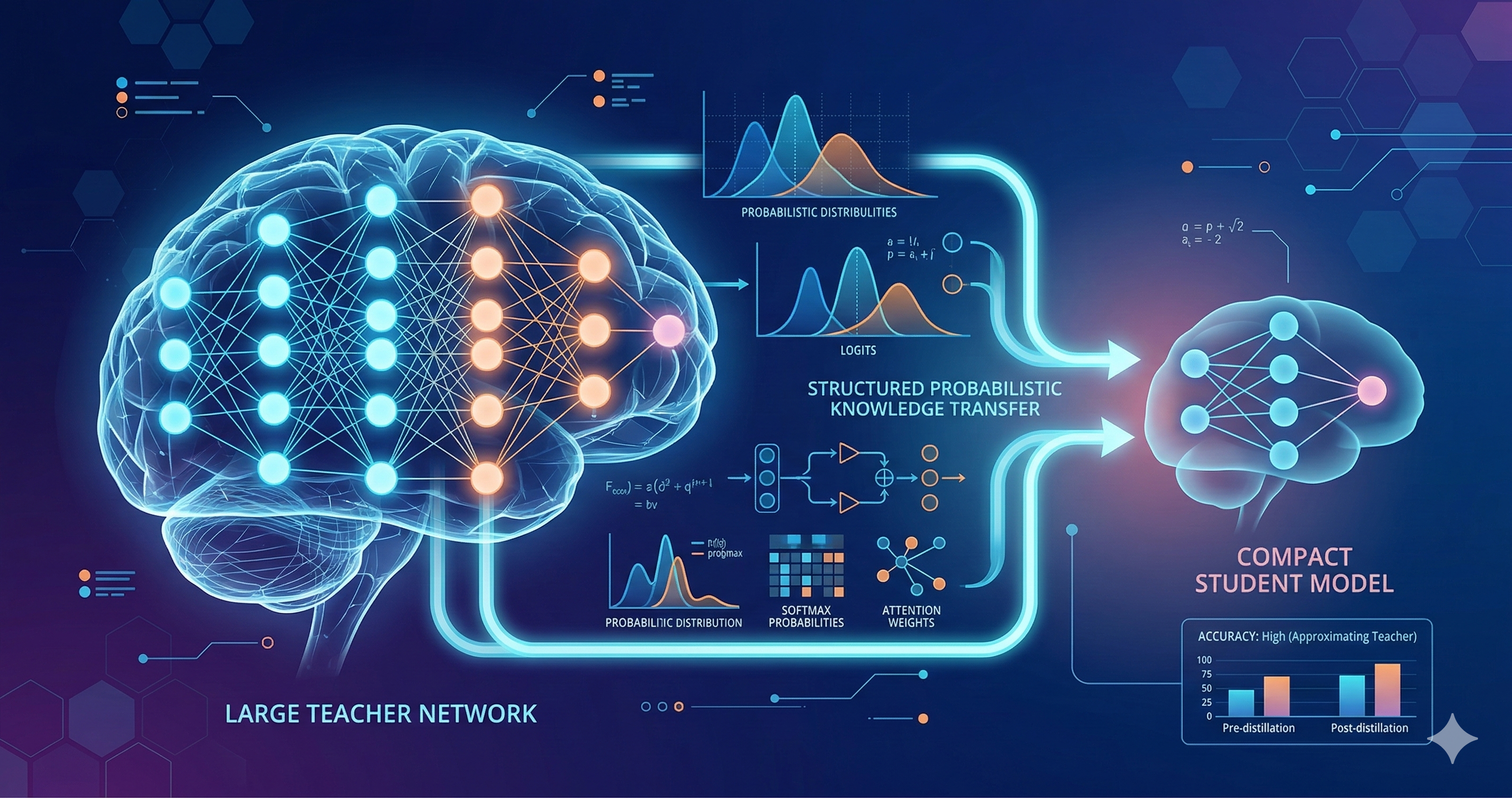
Knowledge Distillation: Teaching Small Models to Think Like Large Ones
Distillation is one of the most underrated techniques in modern ML. By training a compact student on a larger teacher's soft outputs, we preserve accuracy without the computational cost.
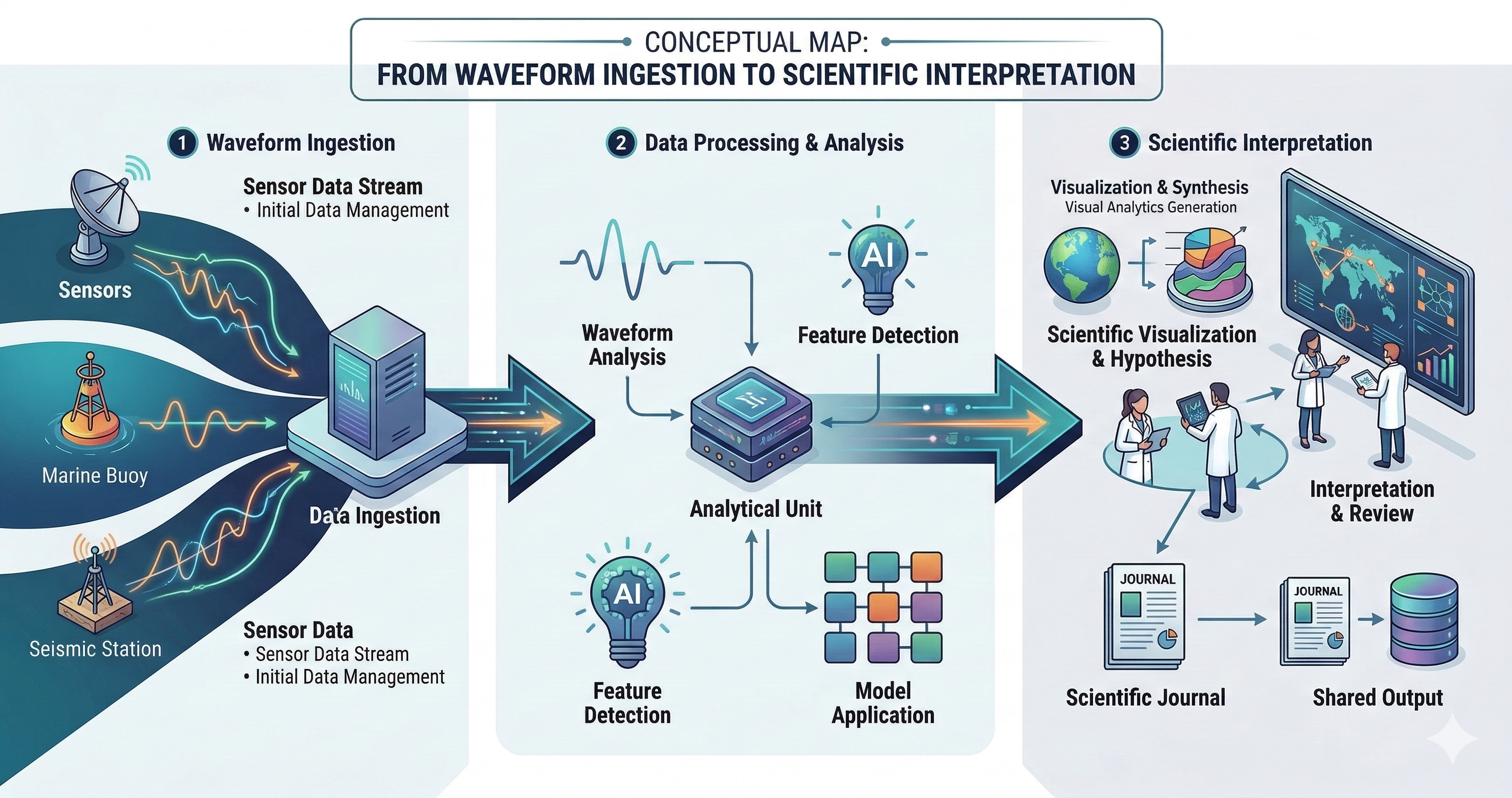
Agentic AI for Seismology Research: From Signal Detection to Scientific Workflows
Seismology is becoming an AI-native science. This essay explores how agentic pipelines can assist earthquake signal triage, literature review, and reproducible research workflows.
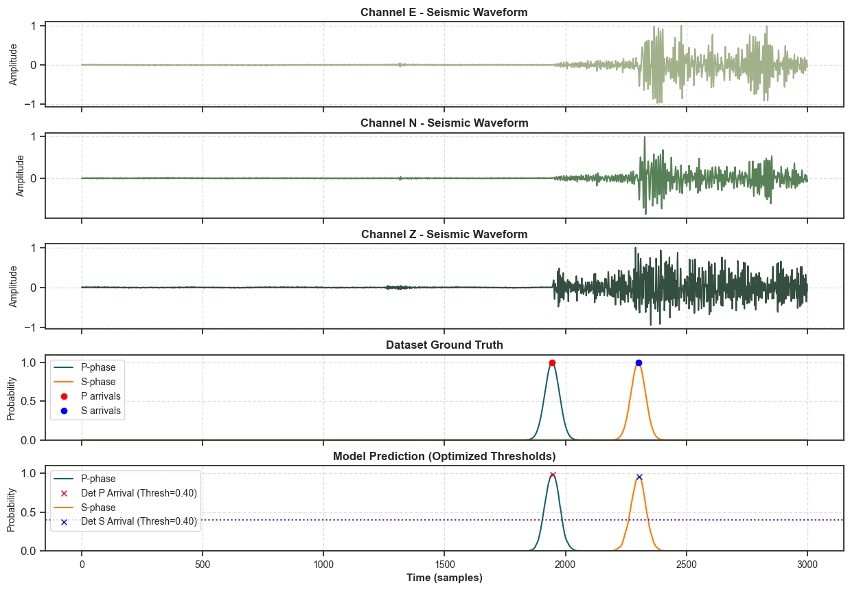
Real-Time Seismic Signal Detection with Deep Learning
Phase picking has traditionally been a painstaking manual process. Deep learning is changing that — making automated, real-time P and S wave detection both accurate and deployable at the edge.
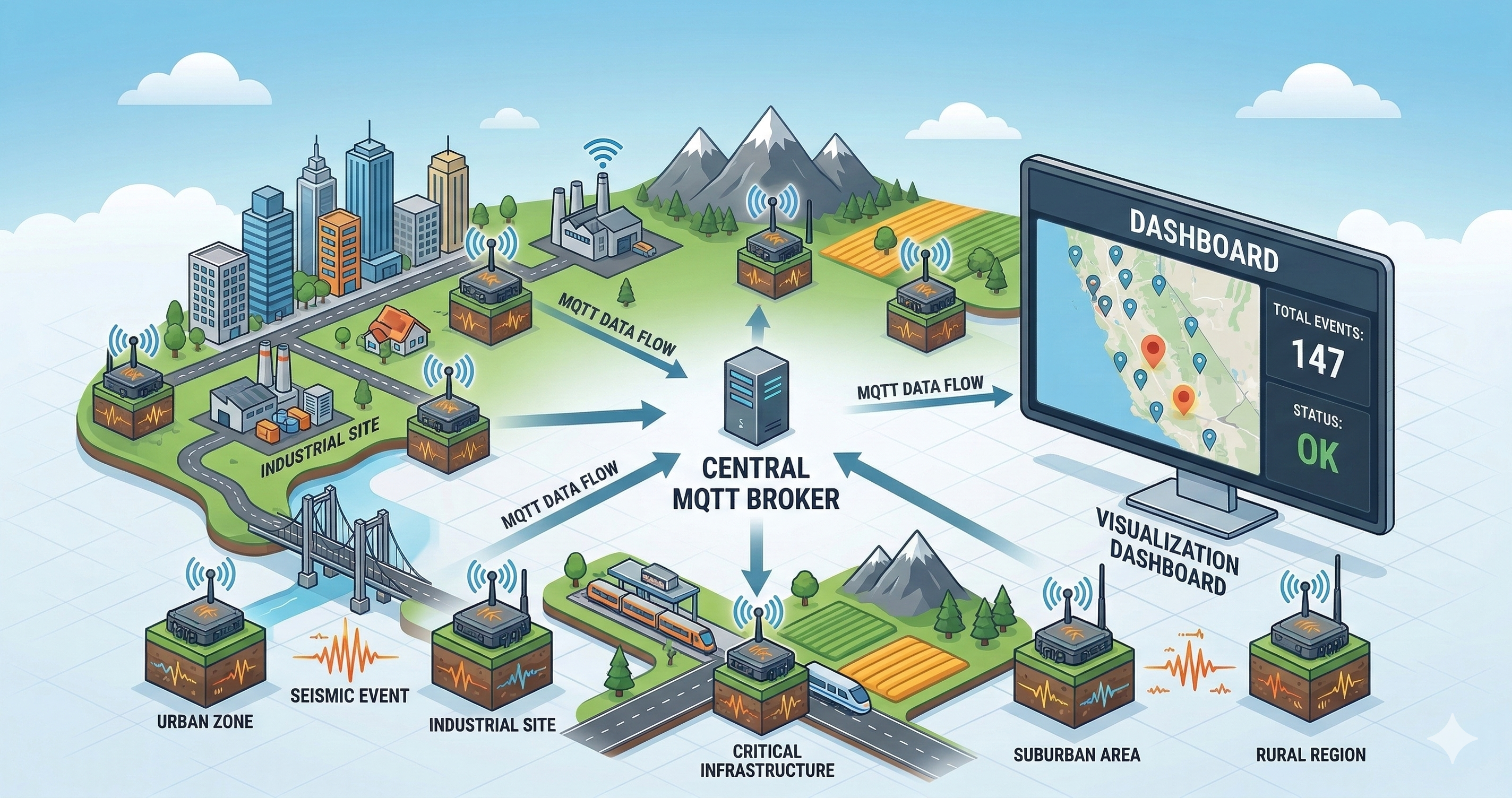
MQTT and the Architecture of Real-Time IoT Sensor Networks
A 2-byte fixed header. Asynchronous delivery. Persistent sessions. MQTT was designed for bandwidth-constrained telemetry — and it is exactly what modern distributed sensor networks need.
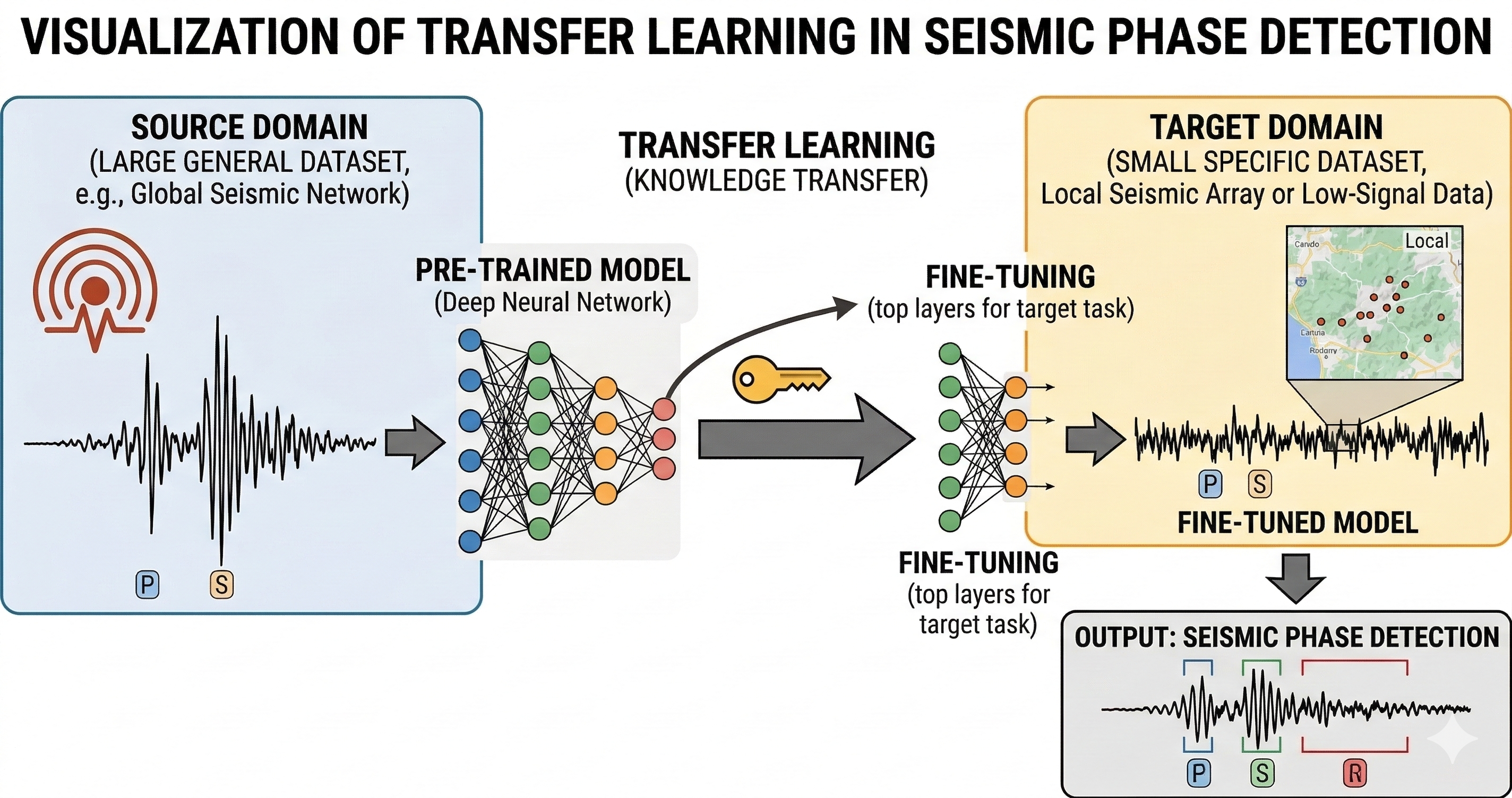
Transfer Learning Across Seismic Domains: What Travels and What Doesn't
Features learned on California tectonic seismicity do not map cleanly onto Oklahoma induced seismicity. Transfer learning helps — but only if you understand which layers to freeze and which to retrain.
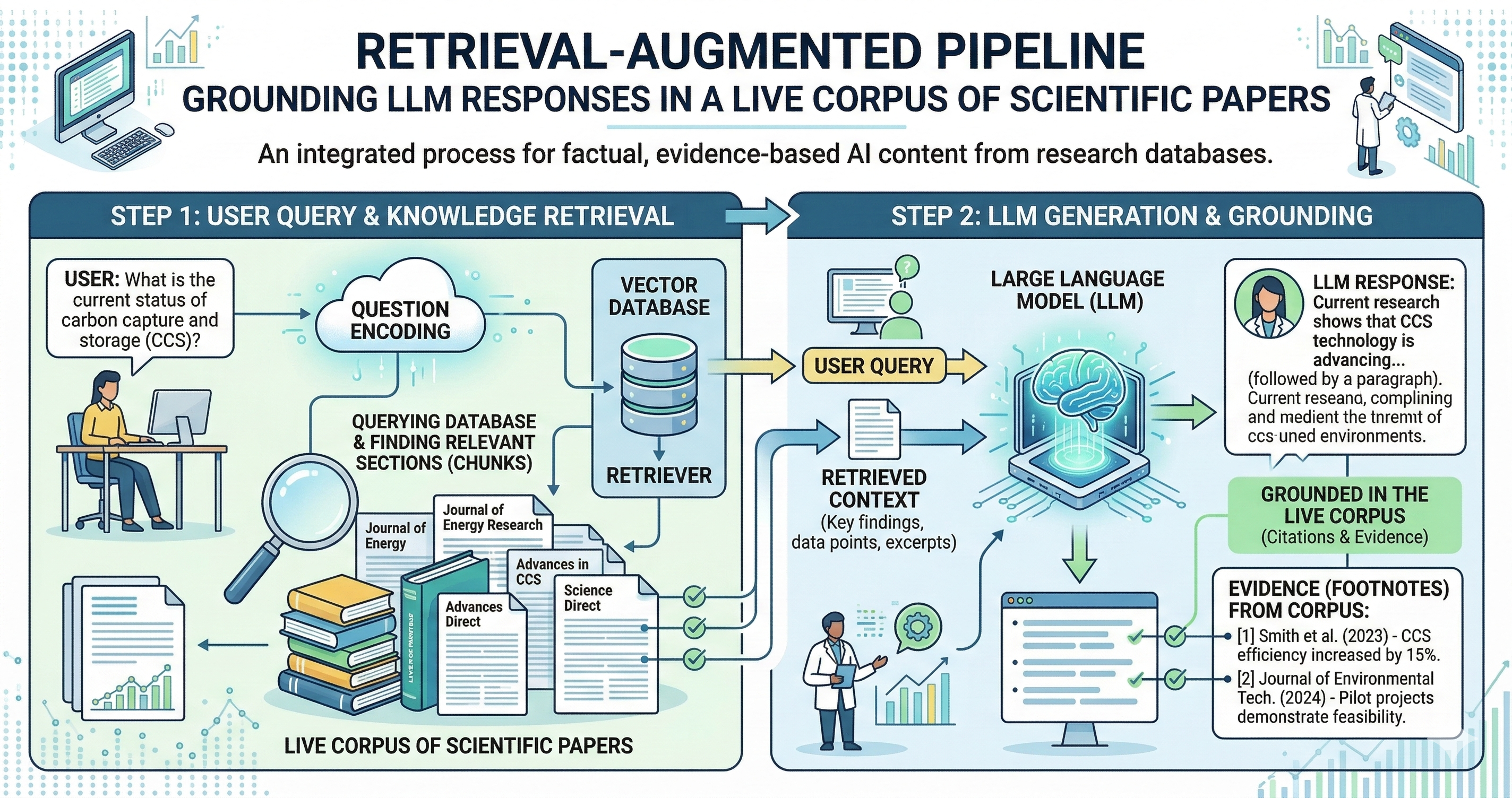
RAG for Science: Using Retrieval-Augmented Generation to Navigate Research Literature
An LLM trained on a static corpus cannot know what was published last month. RAG fixes that — by retrieving relevant papers at query time and grounding every claim in a traceable source.